…you can find alverna, älvorna, álfar, the elfs, or whatever you call them. Didn’t you know?
I grew up in the 70s and 80s, in what almost feels like another world.
I grew up in the northern parts of Sweden, with rune stones and burial mounds just around the corner. The shadows of the past were so loud that I could almost hear them.
I grew up where the forests were vast, the winters long and the summer nights bright as daylight.
Together with my parents, I lived in a house at the edge of an old forest. I wasn’t afraid of the dark, for even though I could fear any magical creature that might hide in it I also felt that the darkness could hide me from them. Also, I was used to it. There were no streetlights besides the lamp that my father hung on the wall of the old boatmans house where my grandparents lived
My mother was born in that house, as were my grandmother. The little house was given to my grandmothers father by the government because he was a boatsman, a part-time soldier who served in the navy.
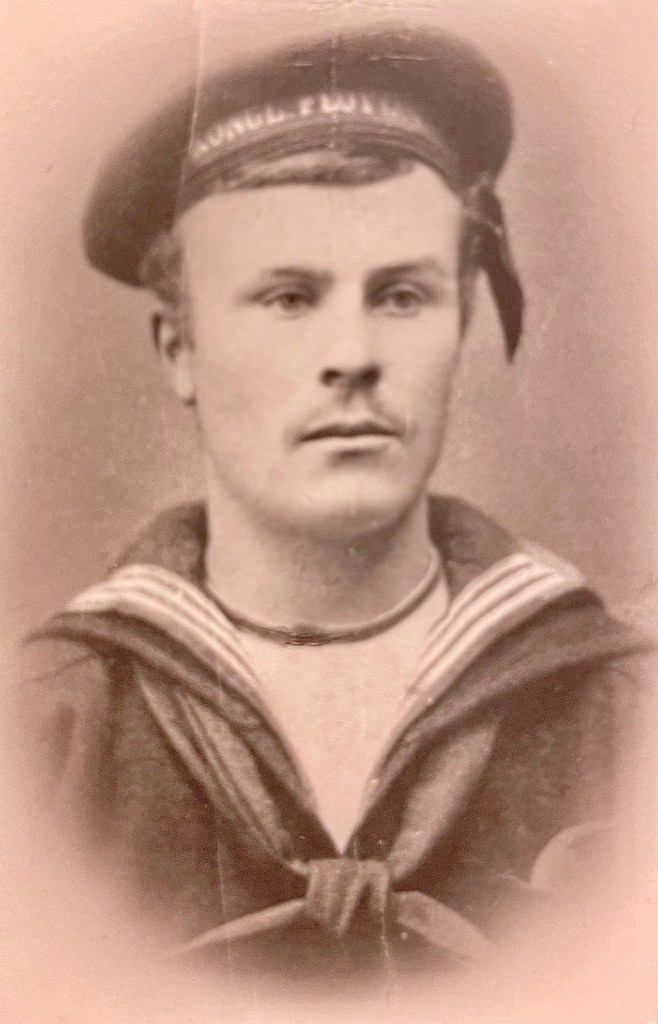
The other crofts in the village were inhabited by my grandparents’ friends; Uncle Harald, aunt Ingeborg, aunt Märta, the alcohol-smelling uncle Vard whom I was so afraid of, the gentle giant uncle Holger. To name a few.
Once a week the fish truck came up the driveway to sell Baltic herring, and just as often an old woman with wild white hair came on her flatbed moped. The flatbed was filled with eggs for sale, which is why she went under the name Egg-Anna.
When I was a child I was surrounded by men and women born in the late 1800s and early 1900s, and they gifted me all the tales from their childhood.
For the more part, even if I try my very best, I couldn’t say who taught me what. They all contributed. So did my parents.
I know for sure though that it was uncle Harald who told me about alverna, the elves, and that his wife verified everything he said.
My mother spoke to me about älvorna, the fairies, but her version was somewhat more innocent and light than uncle Haralds. Her älvor were mostly good hearted and sort of filled people with hope and happiness.
Just to clarify, I think my mother and uncle Harald were talking about the same beings. I think that alverna (the elves) is simply älvornas (the fairies’) etymological ancestors. Personally I prefer to use the word “alv/alver/alverna” (the elves).
When the evening mist came, or the morning mist lay thick, my mother would point towards the meadow and say ”Can you see the fairies? Do you see their beautiful dance!” Seldom did she call the mist anything other than simply “the fairy dance”. Although I liked my mothers feel good version, uncle Haralds version was so much more intriguing.
There are many different opinions about the nature and appearance of alver. Likewise about what their magical properties are and how they use them. Some believe in their goodness, others in the exact opposite. Maybe they all exist. Why wouldn’t they.
Alverna that danced on my childhoods meadows where not the innocent, and all through good hearted, beings as they’re often portrayed today. Their dancing was beautiful to watch but you had to watch from afar, and not to long, to avoid being lured into their world. Especially men had to be careful for the beauty of alverna was so breathtaking that men just couldn’t resist them. When a alv smiled and whispered a man’s name he’d be mesmerized, and if he kissed alven, he’d in most cases be lost forever.
Alven would make him forget all of his responsibilities, including his family and friends, and he’d live the rest of his life in alvens world, obeying her every whim. If alven got tired of him he would have two options. One was to be forced to wander alone in the shadows without ceasing, and longingly and jealously witness how alven enchanted other men. He would admire her beauty, constantly wanting to be near her, but never would he feel her touch again. The other was her sending him back to our world, but since a day in alvernas world is a hundred years in our, the man would come back to a changed world. He would have nothing to come back to and be miserable for the rest of his life, for everyone he loved would have died long ago.
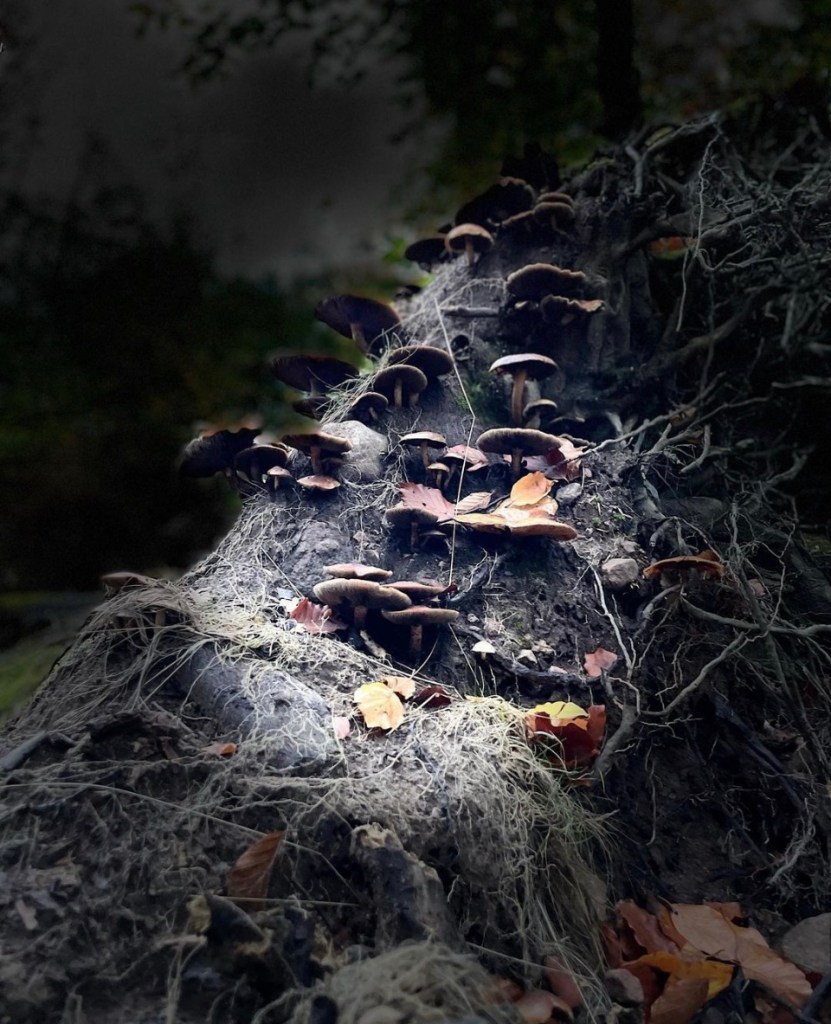
It could be dangerous for women too, if the woman was very beautiful, for you see, alver don’t particularly like competition. They would see to that the beautiful woman was hidden from men’s eyes, one way or another. They could make her loose her beauty either by magic or by scarring her badly, they could give her to the trolls so that she’d be a prisoner in the mountain for the rest of her life or, if they was very angry, they could just end her.
And there were, in fact, also male alver but they would rarely visit our world so women weren’t taken as often as men were. If one of the male alver came though, women who came to close could meet the same fate as men.
Even if you kept a safe distance, or was one of the few who could resist alvernas luring, you could be greatly affected. You see alver could make you very sick with just one look at you, and rarely would anyone survive that. The disease was very painful and you’d die slowly. You see, alver don’t take rejection very well.
My childhoods alver where definitely not all good, but they weren’t all bad either. They were more like spoiled children, and as long as you kept a safe distance you’d be fine.
If you left some food, drinks, beautiful flowers or some other gift in the woods, and a alv liked the gift, she could actually bring you good fortune, and even cure you or someone you love from disease.
I can still see alvernas dance, the fairies’ dance, on the hillsides and the fields in my vicinity. And when I walk in nature I keep an eye out for them. Sometimes I think I can almost see them, watching me from a distance, but then my adult brain corrects my eyes so that I instead see branches moving in the wind. Always remember though that the fact that you can’t see them does not at all mean they aren’t there.
Regardless, they will always be very real in my memory. And in my heart.
 Nanna from the north